

SZN is internet slang for “season,” used in texts and social media posts to mark a stretch of time when something is in full swing. The SZN meaning in text goes beyond weather — it points to any period defined by an activity, mood, or trend.
Say a friend writes “exam szn” or “cuffing szn.” They’re saying that a particular activity, mood, or trend has taken over right now. This guide covers where the term comes from, how its meaning shifts from platform to platform, and how to reply when someone sends it your way.
Primary Meaning
SZN means “season,” with the vowels dropped to make it quicker and more casual to type. It isn’t an acronym like LOL — it’s simply a shortened spelling of a single word.
What matters more than the spelling is how people use it. Most of the time, nobody means winter or summer literally. They mean a stretch of time defined by an activity, a mood, or an event — “gym szn,” “football szn,” “tax szn.” Collins Dictionary lists it as a text-messaging and social-media form of “season,” which is the clearest sign it has settled into everyday slang rather than staying a passing trend.
Secondary Meanings
Beyond the literal season, SZN can describe a phase of life, a period of peak performance, or a busy stretch tied to one theme. Context — specifically, the word right before “szn” — tells you which sense is meant.
- A life phase or mood: “Healing szn” means someone is focused on recovering or resetting.
- Someone’s moment to shine: A fan who says a player is “in his szn” means he’s playing at his best right now.
- A recurring busy period: “Tax szn” or “wedding szn” marks a time of year when a certain task or event piles up.
Quick Examples

Most uses of SZN follow one simple pattern: a topic, then “szn.” Here are the ones you’re most likely to run into.
- Summer szn — vacations, beach days, and long evenings outside
- Cuffing szn — the colder months, when people tend to look for relationships
- Football szn — the stretch when games and watch parties take over weekends
- Grind szn — a period of intense focus on work or goals
- Exam szn — studying, deadlines, and very little sleep
- Birthday szn — the days or weeks around someone’s birthday
Also Read This HM Meaning in Text: What It Really Means and How to Reply
Background and Origin of SZN
The exact origin of SZN isn’t documented, so it’s worth treating any neat, single-source origin story with caution. Dropping vowels to shorten words is an old texting habit — “szn” fits that same pattern as “thx” or “pls.”
Many slang guides trace it to hip-hop and sports culture, where fans and artists used it to hype a playoff run or a release cycle. That claim shows up widely, but no single authoritative source confirms it, so it’s best treated as likely rather than settled. What can be confirmed is that a definition of the term was already circulating on Urban Dictionary by 2015, meaning it has been in casual use for roughly a decade. From there, it spread from sports and music communities into general social-media slang.
Usage in Different Contexts
SZN shows up wherever people talk about a period of time, but the tone shifts with the setting. Here’s how it plays out in the most common ones.
In Text Messages
In a text, SZN works as a quick, playful label for whatever’s going on. A friend might send “study szn, don’t text me” to explain why they’ll be quiet for a week. The message stays friendly and short, with no further explanation needed — for example, “Can’t come Friday, it’s finals szn.”
On Social Media
On social media, SZN usually appears in captions, comments, and hashtags to give a post a theme. “Cozy szn” under a photo of a blanket and a mug tells followers what mood the post is going for.
Sports
In sports, SZN marks either the start of a season or a player’s hot streak. “NBA szn is back” is an announcement; “he’s in his szn” is praise.
Fashion
In fashion, SZN often refers to what’s in style right now. People say “boot szn” or “linen szn” to mark the moment a piece of clothing comes back into rotation.
Gaming
Gamers use SZN for competitive or content seasons, such as a new ranked ladder or a battle-pass cycle. “Ranked szn” means it’s time to climb.
Meanings Across Different Platforms
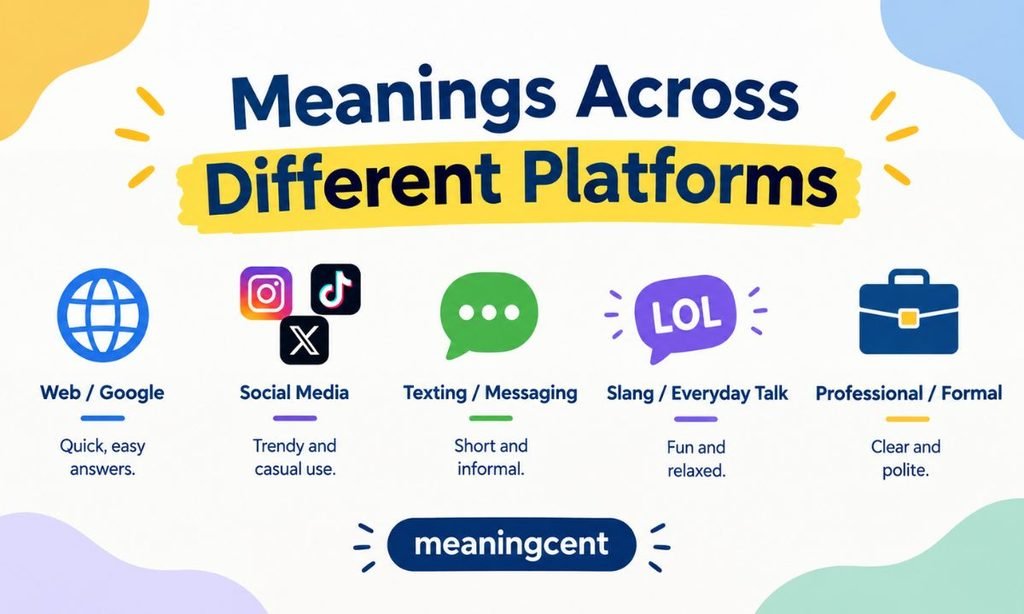
The core meaning of SZN stays the same everywhere, but each platform has its own habits for using it.
On WhatsApp, SZN shows up in casual chats and group threads, usually as a quick way to explain a mood or announce an event, like “wedding szn again” in a family group.
On Instagram, SZN mostly lives in captions and hashtags. It helps a post feel like part of a theme, whether that’s travel, fitness, or a seasonal outfit.
TikTok
On TikTok, SZN often rides along with trends. Creators use it in videos and on-screen text to label a period they’re going through, such as “soft launch szn” or “back to school szn.”
Snapchat
On Snapchat, it appears in quick messages and story captions. The tone stays short and playful, since posts don’t stick around long.
Other Meanings of SZN
Outside casual slang, SZN doesn’t carry a formal technical definition. Still, the idea of a “season” matters in several fields, and the shorthand sometimes shows up there informally.
Business
In business chats, people use the shorthand loosely for busy cycles like tax filing or year-end reporting. It’s a casual label in messages, not an official term.
Retail
Retail runs on seasons, so “holiday szn” or “back-to-school szn” describes peak shopping periods. Some brands borrow the phrase in social campaigns to sound current and relatable.
Sports Analytics
In sports stats, “season” is a standard column or filter, and shortened versions sometimes appear in fan-made tables or apps. Here it simply means a full season’s numbers, with no slang tone at all.
Gaming Communities
Gaming communities use it for ranked seasons, battle passes, and game updates. “New szn, new grind” is a common way to mark a reset.
Common Misconceptions and Mistakes
The most common mistake is assuming SZN has a hidden meaning. It doesn’t — it’s just “season,” and the word next to it supplies the context.
- Reading it as a typo. It’s intentional slang, not a mistake.
- Assuming it means “soon.” It doesn’t — it marks something happening now or recurring.
- Treating it as an acronym. It isn’t built from the first letters of several words.
- Using it in formal writing. It belongs in casual chat, not in emails to your boss.
Similar Terms and Alternatives
Several other slang words cover similar ground. Which one fits depends on how long the phase lasts and how personal it is.
- Era — a longer personal phase (“my villain era”)
- Vibe — a mood or feeling
- Phase — a temporary stage, often used more neutrally
- Time of year — a plain, formal alternative
- Peak season — a neutral option for business or travel
How to Respond to SZN
The best reply matches the tone of the message. If someone sends “cuffing szn,” they’re being playful, so a playful answer works best.
- Agreeing: “Facts, it’s officially that time.”
- Joking: “Every szn is snack szn for me.”
- Asking: “Which szn are we in now?”
- Neutral or formal: “Yes, the season has started.”
For example, if a friend texts “Exam szn is here,” a good reply is: “Good luck — send coffee emojis if you survive.”
Also Read This HM Meaning in Text: What It Really Means and How to Reply
Differences Between SZN and Similar Words
SZN, era, and vibe all describe a moment, but they differ in length and focus.
| Term | What It Describes | Typical Length |
| SZN | A time when something is happening or trending | Weeks to months |
| Era | A longer personal or identity phase | Months to years |
| Vibe | A mood or feeling | Moment to moment |
| Phase | A temporary stage | Varies |
SZN is tied to timing, era to identity, and vibe to feeling — that’s why “summer szn” and “summer vibe” aren’t quite the same message.
Relevance in Online Conversations and Dating Apps
SZN matters in online conversation because it signals tone quickly. On dating apps, it hints at what someone is looking for right now.
“Cuffing szn” points to wanting a relationship in the colder months. “Single szn” says the person is happy on their own for now. In both cases, the phrase is a light way to share a mood without a long explanation — and it signals that the person is fluent in internet slang.
Popularity and Trends Over Time
SZN has stayed popular because it’s short, flexible, and easy to attach to almost anything. Its inclusion in Collins Dictionary shows it has moved beyond a passing fad and into recognized informal usage.
It tends to resurface around seasonal moments — summer, football, the holidays, exams — since those are the times people naturally label what they’re doing. Related phrases like “hot girl summer” have also helped keep season-based slang in circulation. Newer labels like “era” now compete with it for the same space, but SZN still fits anything tied to a specific, recurring stretch of time in a way “era” doesn’t.
Frequently Asked Questions
What does SZN mean in text?
SZN means “season,” used as slang in texts and social media. It usually points to a period when something is happening or popular, like “summer szn” or “gym szn.”
What is the SZN meaning for Gen Z?
For Gen Z, SZN is a casual way to label a mood, trend, or life phase, not just a time of year. Younger users lean on it in captions, group chats, and TikTok, though people of all ages use it.
What does SZN mean in country?
In country music circles, “country szn” usually means the stretch when country releases, concerts, and festivals are in full swing. SZN isn’t tied to any nation — if you’re wondering about a country code, Eswatini’s is SZ, which has nothing to do with the slang.
What does SZN mean for a birthday?
“Birthday szn” means the days or weeks around someone’s birthday, treated as a celebration period. Some people stretch it to cover a whole month.
What is cuffing szn?
Cuffing szn is the colder-weather period when many people look for a steady relationship. The term comes from “cuffing,” slang for locking down a partner.
Is SZN formal or acceptable in professional messages?
No, SZN is informal and best kept for friends and social media. In work emails, write “season” or use a clear phrase like “busy period.”
Is SZN a real word?
SZN is a slang spelling of “season,” not a standard English word. It’s recognized in dictionaries as informal usage, which is why it works online but not in formal writing.
Final Thoughts
SZN is a short, casual spelling of “season” that people use to label a moment, a mood, or a recurring period. The meaning stays consistent across texts, captions, and gaming chats — only the tone shifts depending on where you see it.
Once you spot the pattern, decoding it is easy: read the word before “szn,” think about the timing it points to, and match the tone when you reply.

1 thought on “SZN Meaning in Text: What It Means and How to Use It (2026)”